
Latest
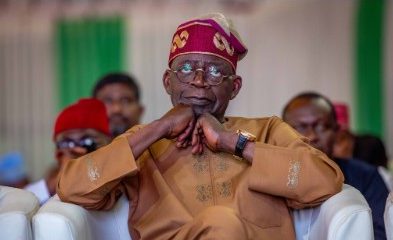
Tinubu not responsible for Naira’s misfortunes—Moghalu

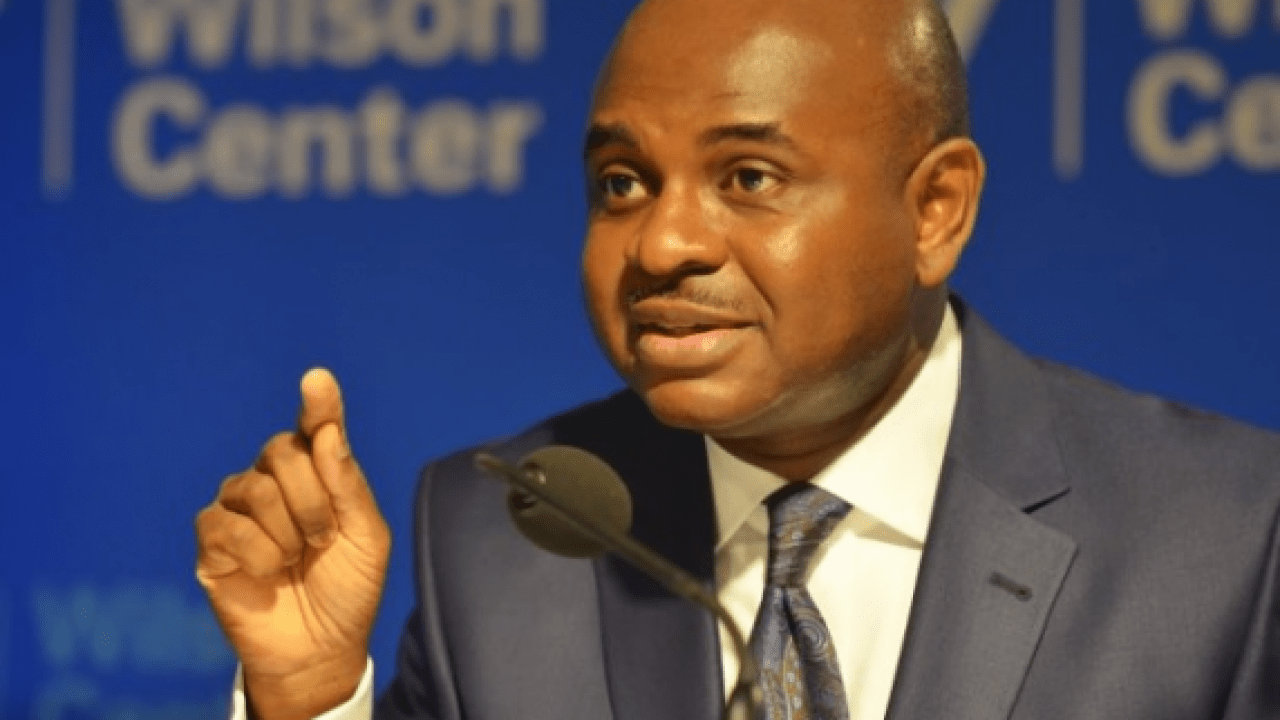
Former Deputy Governor of the Central Bank of Nigeria (CBN) Kingsley Moghalu has attributed the naira’s poor performance not to the young Bola Tinubu administration, but to the nation’s persistent reliance on natural resources for foreign exchange earnings.
In a Friday post on his X (formerly Twitter) account, Moghalu argued that Nigeria’s “export-oriented, value-added manufacturing and services” sector remains underdeveloped, leaving the country heavily dependent on volatile oil prices and susceptible to external shocks.
This dependence, he claimed, is the root cause of the naira’s repeated devaluations and economic volatility.
Moghalu further disclosed that an extraordinary political will which focuses on merit and competent technocratic management was needed to fix Nigeria’s economic challenges.
He said, “The problem with the Naira today is not that it was or has been “floated”. In any case, we no longer have the oil revenues (for various reasons) to underpin a managed float with robust foreign reserves.
READ ALSO: Moghalu felicitates with Emeka Anyaoku @91
“The real failure of Nigerian economic policy is that of having failed to diversify its economy away from reliance on natural resources for forex supply towards an export economy based on value-added manufacturing and services. This is the zone of industrial and trade policy.
“The reason for this failure lies in Nigeria’s political culture that fosters a rentier economy. Habits, especially bad ones, are hard to break. But Malaysia, Thailand and Chile, all originally resource based economies, successfully achieved “economic complexity” over time, manufacturing and exporting increasingly sophisticated products. For Nigeria to achieve this will require what its present generation of politicians appear to lack, for you cannot give what you do not have.
“The level of political will required to change course is extraordinary, and requires a focus on merit and competent technocratic management rather than crony- empowerment based on vested self-interest. Until these fundamentals are fixed, there is little hope for the Naira. The world has changed from the days of our being awash with oil money. Many other countries that are not in OPEC now produce massive amounts of oil.”
While not directly criticizing President Tinubu’s economic policies, Moghalu’s statement implicitly suggests that addressing the root of the problem requires more than short-term measures. He highlights the need for long-term structural reforms that prioritize diversifying the economy, fostering export-oriented industries, and reducing reliance on natural resources.
Moghalu’s perspective adds fuel to the ongoing debate about Nigeria’s economic trajectory. While some experts advocate for immediate policy changes and currency interventions, others, like Moghalu, emphasize the need for deeper structural reforms that address the underlying issues hindering diversification and export growth.










-
 Latest1 week ago
Israel marks 3 years since October 7 Hamas attack amid Gaza strikes, election debate
-

 Energy1 week ago
Fuel Battle: Dangote, marketers and government clash over petrol imports
-

 Latest2 days ago
Full List: Meet the 2026 Nobel Prize winners across six categories
-
 Featured6 days ago
103 Million Voters: What does INEC’s new register say about Nigeria’s population?
-

 Business1 week ago
Nigerian startup 3650HQ moves to cut rising WhatsApp costs for businesses
-

 Football2 days ago
Premier League Matchweek 7: Five Fixtures That Could Shape the Weekend
-

 Business7 days ago
The Ministry of Commerce of Loveworld gets a $1 million boost for new investment fund at LTIF 2026 to promote Trade in Ghana
-

 Features7 days ago
Edo’s 2.5 million vote promise: Can the numbers match the politics?