
Business
Food scarcity: AfDB backs African farmers with $1.5bn

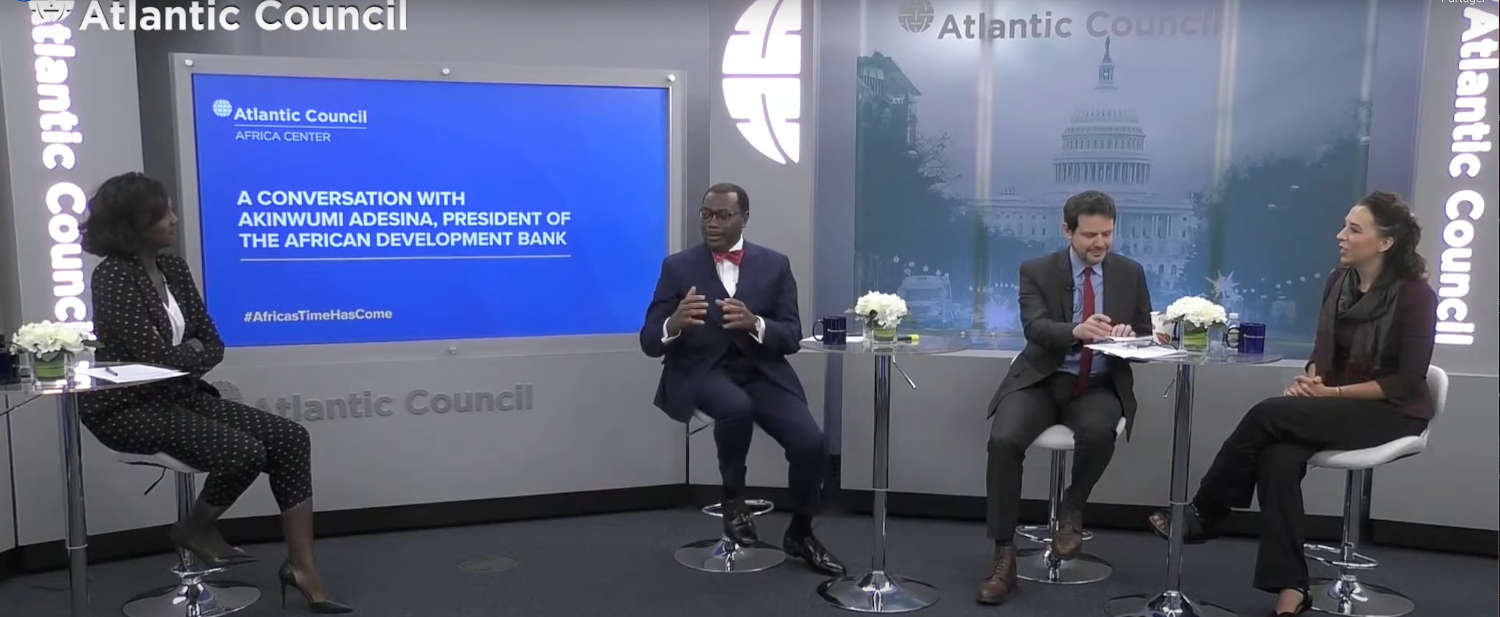
The African Development Bank has approved a $1.5 billion emergency food production facility for about 20 million farmers in Africa.
The fund is expected to help avoid a looming food crisis exacerbated by the war between Russia and Ukraine. The AfDB made this announcement on Friday, via its Twitter handle claiming the facility will rapidly produce 30 million metric tonnes of food as well as support about 20 million farmers.
The war between Ukraine and Russia has led to a rise in food prices, especially for commodities such as wheat, maize, soybeans and other grains which many African countries rely on for their staple food.
AfDB president Dr. Akinwunmi Adesina commented that “food aid cannot feed Africa” and that “Africa needs seeds” suggesting that relying on aid to solve Africa’s food challenges is not sustainable. According to him, “there is no dignity in begging for food.”
READ ALSO: AfDB President, Adesina receives honorary degree from Duke University
“The price of wheat has soared in Africa by over 45% since the war in Ukraine began. Fertilizer prices have gone up by 300%, and the continent faces a fertilizer shortage of 2 million metric tons. Many African countries have already seen price hikes in bread and other food items. If this deficit is not made up, food production in Africa will decline by at least 20% and the continent could lose over $11 billion in food production value.
“The African Development Bank will provide fertilizer to smallholder farmers across Africa over the next four farming seasons, using its convening influence with major fertilizer manufacturers, loan guarantees, and other financial instruments.
The Facility will also create a platform to advocate for critical policy reforms to solve the structural issues that impede farmers from receiving modern inputs. This includes strengthening national institutions overseeing input markets.
The Facility has a structure for working with multilateral development partners. This will ensure rapid alignment and implementation, enhanced reach, and effective impact. It will increase technical preparedness and responsiveness. In addition, it includes short, medium, and long-term measures to address both the urgent food crisis and the long-term sustainability and resilience of Africa’s food systems.”


-
 Latest1 week ago
Israel marks 3 years since October 7 Hamas attack amid Gaza strikes, election debate
-
 Energy1 week ago
Fuel Battle: Dangote, marketers and government clash over petrol imports
-

 Latest2 days ago
Full List: Meet the 2026 Nobel Prize winners across six categories
-
 Featured6 days ago
103 Million Voters: What does INEC’s new register say about Nigeria’s population?
-

 Business1 week ago
Nigerian startup 3650HQ moves to cut rising WhatsApp costs for businesses
-

 Business6 days ago
The Ministry of Commerce of Loveworld gets a $1 million boost for new investment fund at LTIF 2026 to promote Trade in Ghana
-

 Features6 days ago
Edo’s 2.5 million vote promise: Can the numbers match the politics?
-

 Football2 days ago
Premier League Matchweek 7: Five Fixtures That Could Shape the Weekend