
Featured
Over 1m Nigerian girls drop out of school yearly – UNICEF

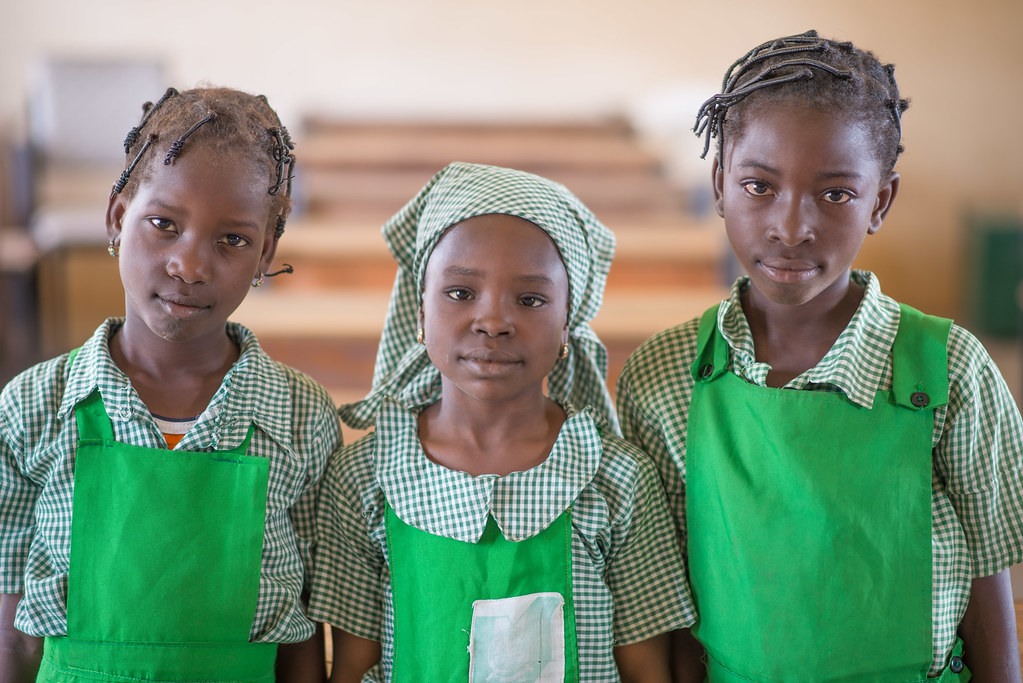
The United Nations International Children’s Emergency Fund (UNICEF), has revealed that not less than 1.3 million Nigerian adolescent girls dropped out of schools before completing their Junior Secondary Schools annually.
This is as the federal government, through the National Centre for Women Development (NCWD), maintained that it would focus on improving access to digital literacy skills and adolescent girls’ transition to secondary education in Nigeria.
Speaking in Abuja on Monday during the celebration of the “2021 International Day of the Girl Child”, the deputy country representative of UNICEF, Mrs. Rushnan Murzata, noted that adolescent girls are vulnerable to societal dynamics that limit their transition from primary to secondary schools.
READ ALSO:Real story behind Dapchi’s school girls release
Similarly, the Director-General of the Centre, Mrs Vilita Bashir, while speaking on this year’s theme: “Digital Generation, Our Generation” said the challenge girl-child faces every day continues to grow despite efforts of many national and international organisations.
According to the UNICEF official, “Over 1.3 million Nigerian adolescent girls are estimated to drop out every year before reaching the last year of lower secondary education.
“Adolescent girls are particularly vulnerable to societal dynamics that limit their transition from primary to secondary. The education systems in Nigeria also have limited capacity to support girls’ access to secondary education.”
Mrs Murzata added that adolescent girls in Nigeria already face many challenges in the economic, social and cultural sphere, saying this year’s theme on digital generation creates awareness of an additional challenge.
She added, “On digital access in low and middle-income countries such as Nigeria, more than 50 per cent of women are offline, and women are 20 per cent less likely than men to own a smartphone.
READ ALSO: Arabic school students get it on their backs for going to party
“Digital inclusion and specifically digital literacy are becoming just as crucial to well-being and success as the ability to read and write.
“The gender digital divide in connectivity, access to devices and the skills to use are real. Girls are less privileged in this area. This inequality has created an exclusion gap across geographies and generations.
“We want to use the opportunity of this year’s celebration to ask for improved access to digital skills and other life skills by girls for the transition to secondary education.
“Let’s make girls their own advocates for girls’ education and digital literacy.”


-
 Latest1 week ago
Israel marks 3 years since October 7 Hamas attack amid Gaza strikes, election debate
-

 Energy1 week ago
Fuel Battle: Dangote, marketers and government clash over petrol imports
-

 Latest2 days ago
Full List: Meet the 2026 Nobel Prize winners across six categories
-
 Featured6 days ago
103 Million Voters: What does INEC’s new register say about Nigeria’s population?
-

 Business1 week ago
Nigerian startup 3650HQ moves to cut rising WhatsApp costs for businesses
-

 Business6 days ago
The Ministry of Commerce of Loveworld gets a $1 million boost for new investment fund at LTIF 2026 to promote Trade in Ghana
-

 Features6 days ago
Edo’s 2.5 million vote promise: Can the numbers match the politics?
-

 Football2 days ago
Premier League Matchweek 7: Five Fixtures That Could Shape the Weekend