
Featured
Buhari sacks Immigration boss, Martin Abeshi

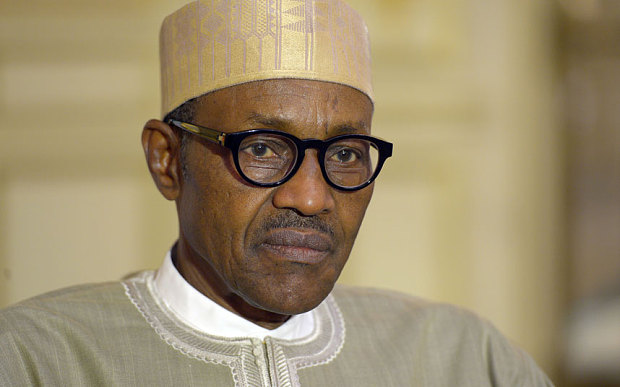
President Muhammadu Buhari reportedly sacked the comptroller-general of Nigerian Immigration Service (NIS), Martin Abeshi, on Tuesday, May 17. According to Vanguard, the federal government’s decision may be connected with his handling of the recent replacement in the service.
Meanwhile, the staff of the NIS were seen jubilating when the news filtered into their headquarters. Some officers have recently exposed the corrupt activities of the comptroller general in the posting of personnel for foreign trips. In a petition written to President Muhammadu Buhari, they accused Abeshi of collecting money from officers eager to travel abroad on foreign missions. The aggrieved officers called on the president to investigate the allegation within the NIS and stop the corrupt activities in the service.
Abeshi was appointed in September 2015 to replace former comptroller general, David Parradang, who was fingered in the tragic 2014 recruitment scandal. At the time the new Immigration boss was appointed, he had already been slated to proceed on a three-month terminal leave beginning from October 2015. Abeshi was said to have been having running battle with some of his deputies and assistants, who were not happy that their boss was still in office when he ought to have retired from the service since December 2015.
Source: Naij









-
 Latest1 week ago
Israel marks 3 years since October 7 Hamas attack amid Gaza strikes, election debate
-

 Energy1 week ago
Fuel Battle: Dangote, marketers and government clash over petrol imports
-

 Latest2 days ago
Full List: Meet the 2026 Nobel Prize winners across six categories
-
 Featured6 days ago
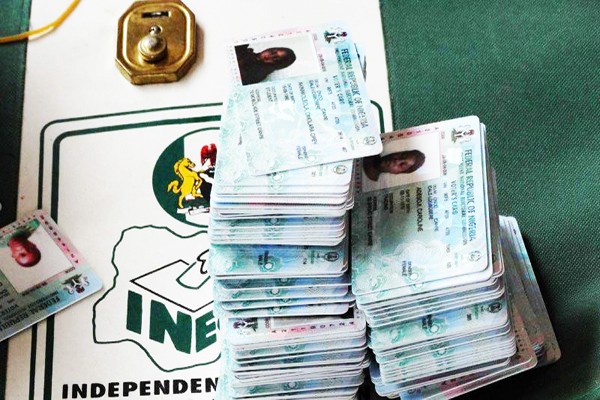
103 Million Voters: What does INEC’s new register say about Nigeria’s population?
-

 Business1 week ago
Nigerian startup 3650HQ moves to cut rising WhatsApp costs for businesses
-

 Football2 days ago
Premier League Matchweek 7: Five Fixtures That Could Shape the Weekend
-

 Business7 days ago
The Ministry of Commerce of Loveworld gets a $1 million boost for new investment fund at LTIF 2026 to promote Trade in Ghana
-

 Features7 days ago
Edo’s 2.5 million vote promise: Can the numbers match the politics?