
Comments and Issues
Unpacking Nigeria’s Electric Crisis: Exposing Saboteurs And Exploring Solutions

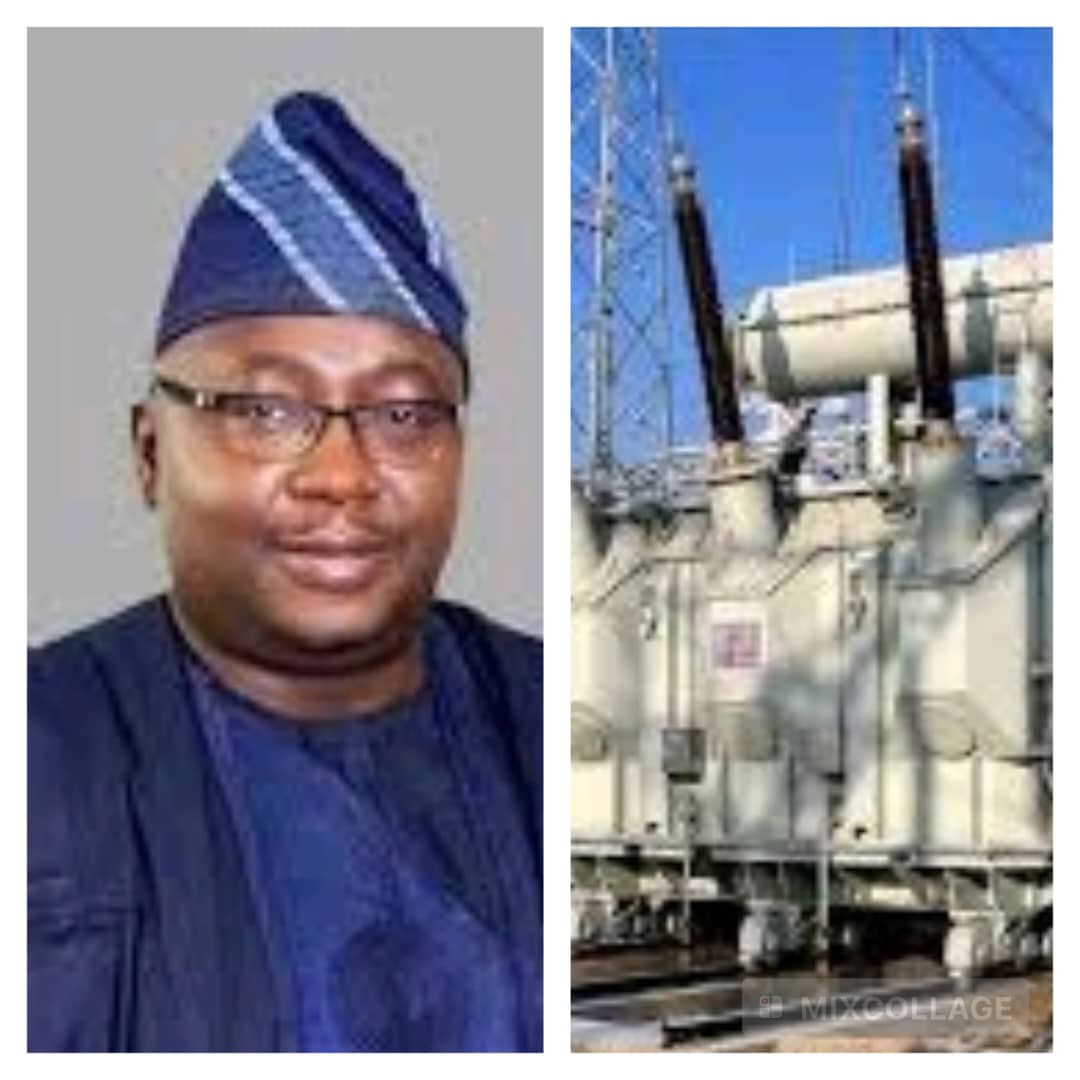
Nigeria’s perennial electricity crisis has been a source of frustration for citizens and businesses alike. Despite efforts to reform the power sector, the country continues to grapple with inadequate electricity supply, resulting in widespread reliance on generators. However, a more sinister narrative has emerged, suggesting that the crisis is not just a result of inefficiencies, but also a deliberate attempt by manufacturers of generators and their local collaborators to sabotage the country’s power sector.
The alleged conspiracy involves the deliberate manipulation of the power sector to create a lucrative market for generators. This has led to a situation where Nigeria, despite having the potential to generate sufficient electricity, remains plagued by power outages and reliance on generators.
To address this crisis, the Federal Government must take decisive action. One immediate step would be to impose a total ban on the importation of generators. This bold move would send a clear message that Nigeria will no longer be held hostage by the interests of generator manufacturers and their local collaborators.
ALSO READ: Rivers sole administrator confirms release of withheld allocations, assures prompt salary payment
A ban on generator imports would have several benefits. Firstly, it would create an incentive for the government and private sector to invest in the power sector, driving growth and development. Secondly, it would reduce the country’s reliance on fossil fuels, decreasing greenhouse gas emissions and mitigating the impact of climate change. Finally, it would create new economic opportunities for Nigerians, from manufacturing and installation of renewable energy systems to the development of energy-efficient technologies.
To ensure a smooth transition, the government could implement a phased ban, allowing for a gradual shift towards alternative energy sources. Additionally, incentives could be provided to encourage the adoption of renewable energy systems, such as solar and wind power.
In conclusion, Nigeria’s electricity crisis is not just a result of inefficiencies, but also a deliberate attempt by saboteurs to undermine the country’s power sector. By imposing a ban on generator imports, the Federal Government can take a bold step towards breaking the cycle of reliance on generators and unlocking a brighter future for Nigerians.
Erasmus Ikhide contributed this piece via: [email protected]


-
 Latest7 days ago
Israel marks 3 years since October 7 Hamas attack amid Gaza strikes, election debate
-

 Energy7 days ago
Fuel Battle: Dangote, marketers and government clash over petrol imports
-

 Energy1 week ago
Petrol, diesel prices rise 86% in 2026 as costs hit fresh highs
-

 Latest2 days ago
Full List: Meet the 2026 Nobel Prize winners across six categories
-

 Football1 week ago
Nigeria’s World Cup exit under spotlight as FIFA’s DR Congo files emerge
-

 Latest1 week ago
US Court set to rule on release of FBI, DEA records on Tinubu
-

 Business1 week ago
Nigerian investors at a crossroads as fixed-income yields slide
-

 Latest1 week ago
Oyo APC crisis deepens as Oluyole reconciliation meeting ends in brawl